
Emma Hassencahl - Perley
✥ Wolastoqey Visual Artist & Curator ✥

About the Artist and Curator
Emma Hassencahl-Perley is a Wolastoqey (Wolastoqewiyik) visual artist and curator from Neqotkuk (Tobique First Nation), New Brunswick.
Working across painting, beadwork, and digital illustration, her work explores Wabanaki visual and material culture through the double-curve motif, which are recurring design patterns and elements from Wabanaki beadwork, birchbark etching, and textiles. These mirrored, double “C” curvilinear symbols reference life cycles, human and non-human relationships, and nationhood. Emma’s explorations of abstracted beadwork with insertions of glitches — such as pixelation, colour shifts, or data corruption — consider the sociocultural impacts of the internet and social media on community and connection.
Other themes in Emma's work engage water relationality, the cosmos, and language as markers of her identity as an ehpit (woman) and Wolastoqiyik citizen of the Wabanaki Confederacy.
Emma's work has been exhibited nationally and internationally at venues including the Winnipeg Art Gallery, the Portland Museum of Art, the Abbe Museum, SOFA Chicago, and La Biennale d’art contemporain autochtone (BACA). Her 2025 solo exhibition, everywhere and completely, was featured at daphne art centre in Montreal.
Emma currently serves as Curator of Indigenous Art at the Beaverbrook Art Gallery in Fredericton. She has led and co-led exhibitions including Wabanaki Modern (2022), BACA: Creation Stories (2023), Epekwitk Quill Sisters: Etleoogoeiog (Talking Together) (2024) and Jake Kimble: My Bones Are Funny, Sometimes They Ache (2026). Her curatorial practice is grounded in a responsibility to national Indigenous art histories, with a special focus on artists from the Wolastoqewiyik, Mi’kmaq, and Peskotomuhkati nations in New Brunswick. Emma prioritizes the work of Indigenous women and 2Spirit artists, whose contributions have often been marginalized in dominant art-historical narratives. This approach is informed by the writing of Métis art historian Sherry Farrell Racette and the art and activism of Wolastoqey artist and poet Shirley Bear, both of whom shaped her graduate research.
She earned a Bachelor of Fine Arts from Mount Allison University in 2017 and completed a Master of Arts in Art History at Concordia University in 2022.
Headshot: Kelly Baker Photography

Books & Research Projects
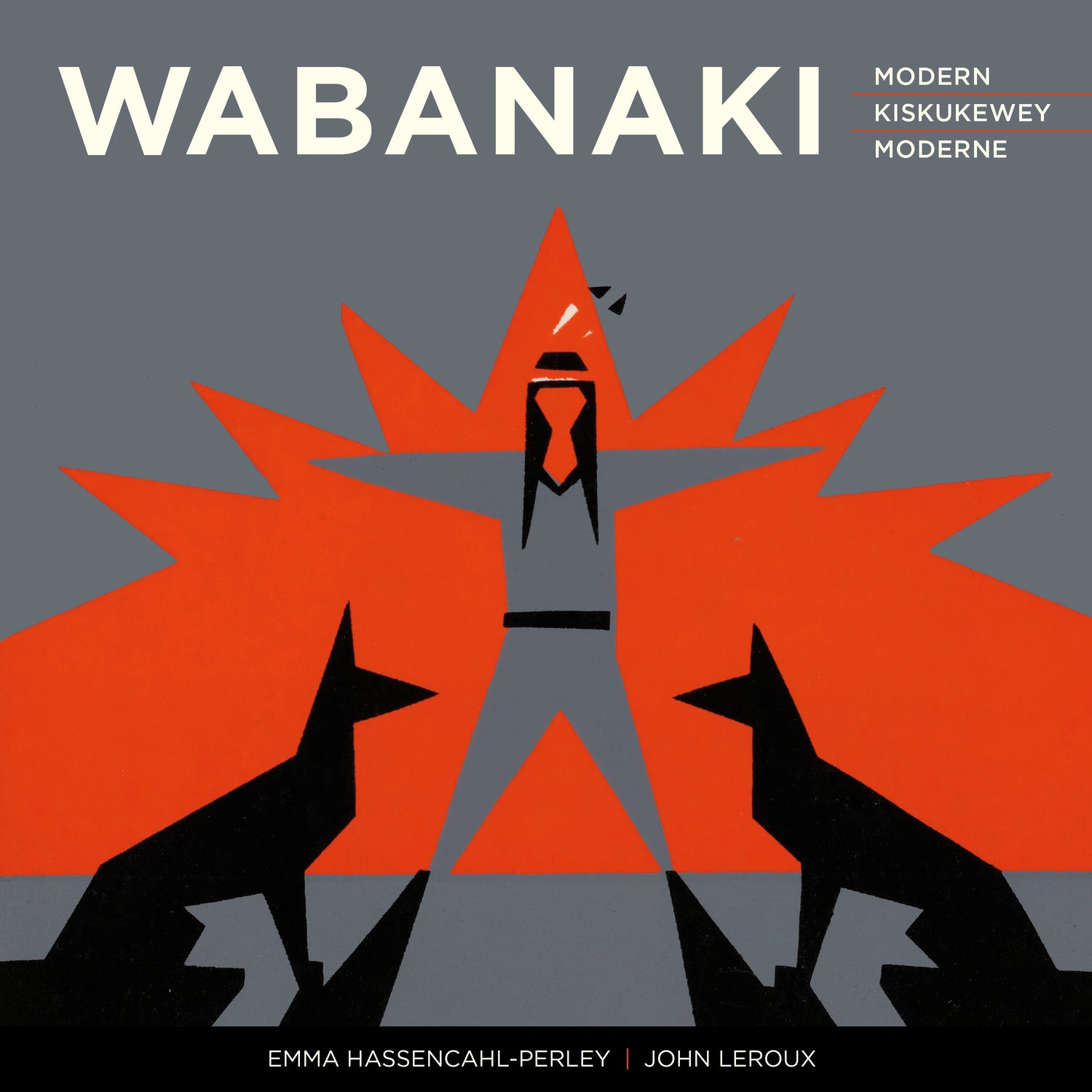
Wabanaki Modern
Winner, Canadian Museums Association Award for Outstanding Achievement (Research) and APMA Best Atlantic Published Book Award Longlisted, First Nation Communities READ AwardThe story of an overlooked group of cultural visionaries
The “Micmac Indian Craftsmen” of Elsipogtog (then known as Big Cove) rose to national prominence in the early 1960s. At their peak, they were featured in print media from coast to coast, their work was included in books and exhibitions — including at Expo 67 — and their designs were featured on prints, silkscreened notecards, jewelry, tapestries, and even English porcelain.
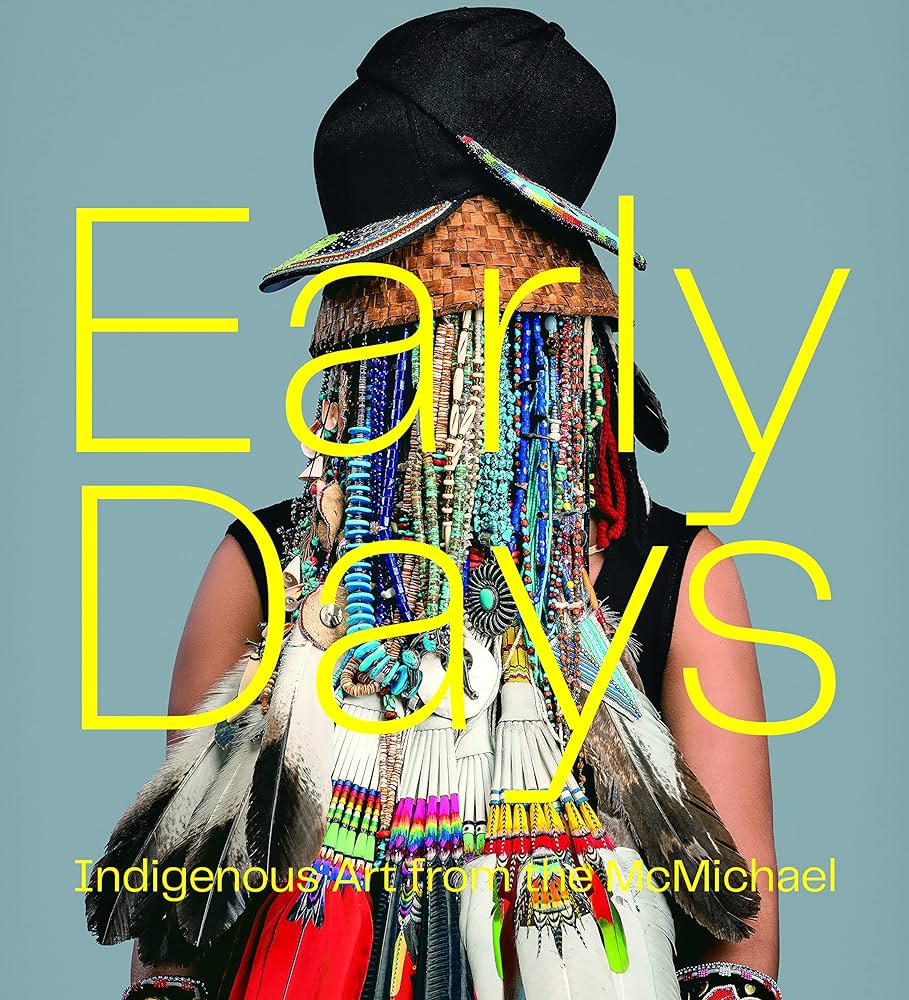
Early Days: Indigenous Art from the McMichael
A landmark publication bringing together more than seventy voices illuminating the rich array of Indigenous art held by the McMichael Canadian Art Collection.
Under the editorial direction of Anishinaabe artist and scholar Bonnie Devine, Early Days gathers the insights of myriad Indigenous cultural stakeholders, informing us on everything from goose hunting techniques, to the history of Northwest Coast mask making, to the emergence of the Woodland style of painting and printmaking, to the challenges of art making in the Arctic, to the latest developments in contemporary art by Indigenous peoples from across Turtle Island.
